Beekeeping combines agricultural skill with precise hazard management—where one misstep can lead to painful stings, deep cuts, or even field fires. This guide delivers actionable safety protocols beyond generic warnings, structured around five critical operational areas. Whether you're a commercial beekeeper or manage hobbyist hives, these evidence-based methods will help you maintain injury-free operations.
Essential Protective Equipment Selection
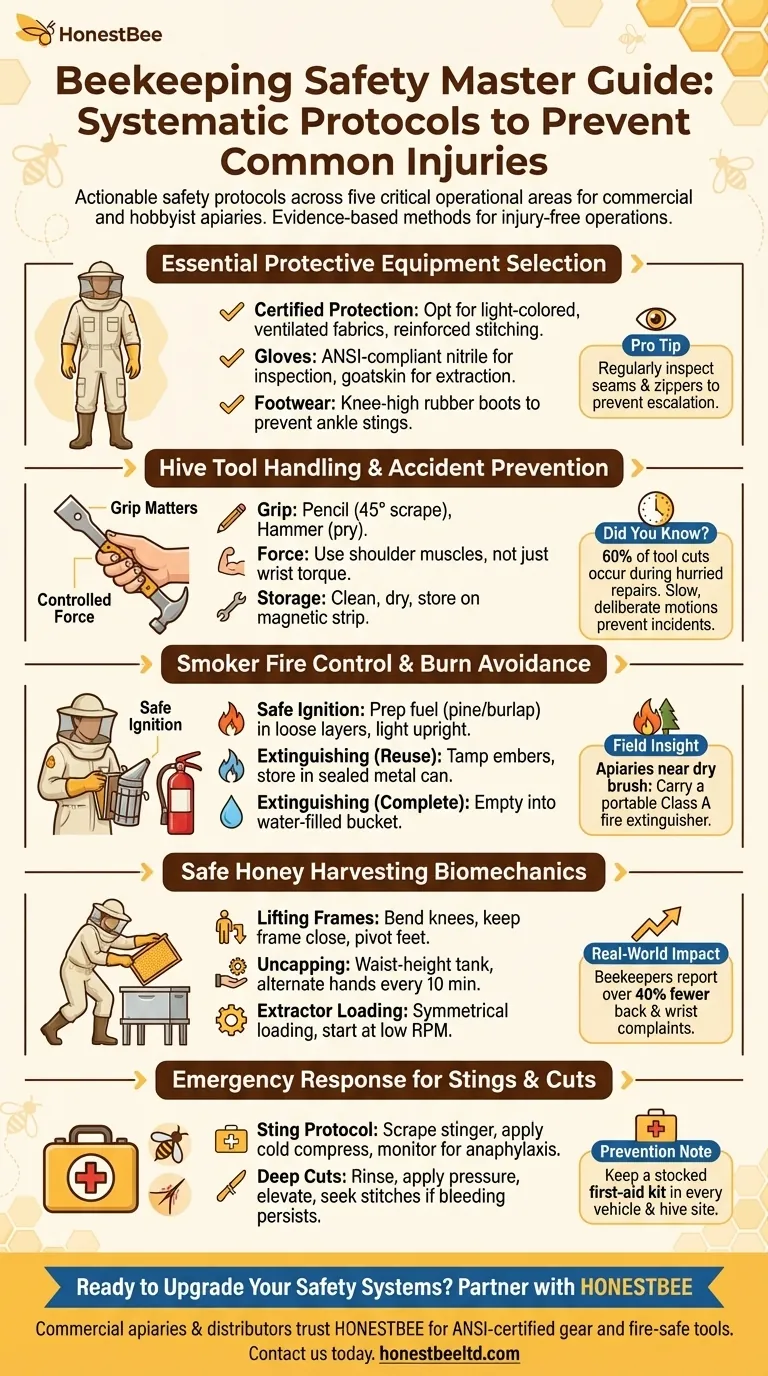
Start with certified protection: Research shows that over 70% of preventable beekeeping injuries stem from inadequate gear. Your first line of defense includes:
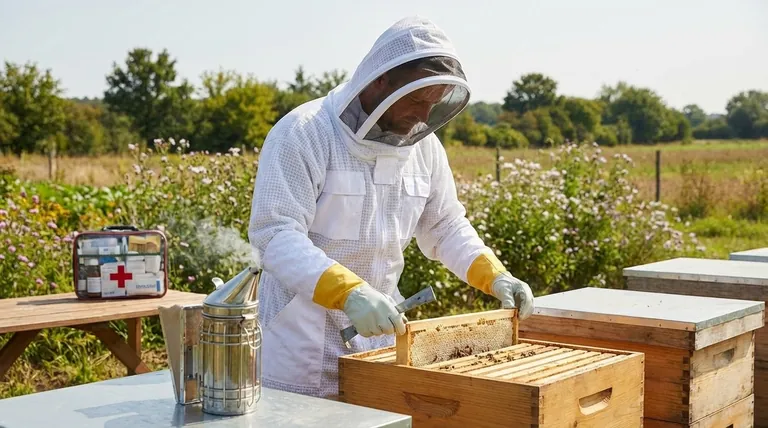
- Veils and Suits: Opt for light-colored, ventilated fabrics with reinforced stitching. Dark colors provoke bees, while poor stitching tears under stress.
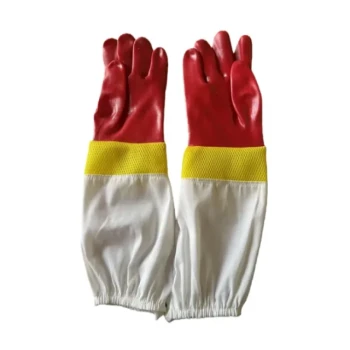
- Gloves: ANSI-compliant nitrile gloves balance sting resistance and dexterity for hive inspections, while goatskin leather offers maximum protection during honey extraction.
- Footwear: Knee-high rubber boots prevent stings through laces or gaps in ankle coverage.
Pro Tip: Regularly inspect seams and zippers. A frayed veil seam or stuck zipper can escalate a routine check into an emergency.
Hive Tool Handling and Accident Prevention
Hive tools cause more lacerations than bee stings when used improperly. Follow these biomechanical principles:
- Grip Matters: Hold the tool like a pencil for precision scraping (45° angle to the frame), and switch to a hammer grip for prying (wrist aligned with forearm).
- Controlled Force: Use your shoulder muscles—not just wrist torque—to separate stuck frames. This reduces tendon strain and slip-induced cuts.
- Storage Protocol: Clean and dry tools after each use, then store them in a magnetic strip holder. Leaving tools in grass or pockets leads to rust and accidental grabs.
Did you know? A study of apiary injuries found that 60% of tool-related cuts occurred during hurried frame repairs. Slow, deliberate motions prevent most incidents.
Smoker Fire Control and Burn Avoidance
Two critical risks demand attention: burns from mishandling and wildfires from improper extinguishing.
Safe Ignition:
- Prep fuel (pine needles, burlap) in loose layers for steady airflow.
- Light with the smoker upright, using bellows to create an ember bed before adding bulk fuel.
Extinguishing Methods:
- For fuel reuse: Tamp down embers, slightly open the lid to break the vacuum seal, and store in a sealed metal can.
- For complete safety: Empty fuel into a water-filled bucket, ensuring full submersion. Never leave a smoker unattended with residual heat.
Field Insight: Apiaries near dry brush should carry a portable fire extinguisher rated for Class A (wood/paper) fires.
Safe Honey Harvesting Biomechanics
Heavy lifting and repetitive motions cause chronic injuries. Mitigate risks with these ergonomic practices:
- Lifting Frames: Bend at the knees, keep the frame close to your body, and pivot with your feet—not your spine.
- Uncapping: Position the uncapping tank at waist height to avoid shoulder strain. Alternate hands every 10 minutes to distribute muscle load.
- Extractor Loading: Centrifuge imbalances lead to falls. Load frames symmetrically and start at low RPM.
Real-World Impact: Beekeepers who adopt these techniques report over 40% fewer back and wrist complaints post-harvest.
Emergency Response for Stings and Cuts
Even with precautions, accidents happen. Act swiftly with these steps:
-
Sting Protocol:
- Scrape—don’t pinch—the stinger out to avoid venom injection.
- Apply a cold compress to slow venom spread.
- Monitor for anaphylaxis (throat swelling, dizziness) and use an epinephrine auto-injector if prescribed.
-
Deep Cuts:
- Rinse with clean water, apply pressure with sterile gauze, and elevate the wound above heart level.
- Seek stitches if bleeding persists beyond 15 minutes.
Prevention Note: Keep a stocked first-aid kit in every vehicle and hive site, including antihistamines, sterile bandages, and emergency contact numbers.
Ready to Upgrade Your Safety Systems? Partner with HONESTBEE
Commercial apiaries and distributors trust HONESTBEE for ANSI-certified protective gear and fire-safe beekeeping tools. Our wholesale-focused solutions help you safeguard teams while maintaining operational efficiency. Contact us today to equip your crew with injury-prevention essentials.
By implementing these protocols, you’re not just avoiding injuries—you’re building a sustainable beekeeping practice where safety and productivity thrive together. Remember: The most successful beekeepers aren’t those who never get stung, but those who prepare for every scenario.
图解指南
相关产品
- 为养蜂人设计的带帽子和面纱的养蜂夹克
- 供养蜂人使用的白色棉质养蜂夹克和面纱
- 优质牛仔风格养蜂帽,带可视面罩,户外专业养蜂防护装备
- 养蜂手套 山羊皮革长袖棉质,适合养蜂人
- 带加固围栏面罩的高级棉质养蜂服