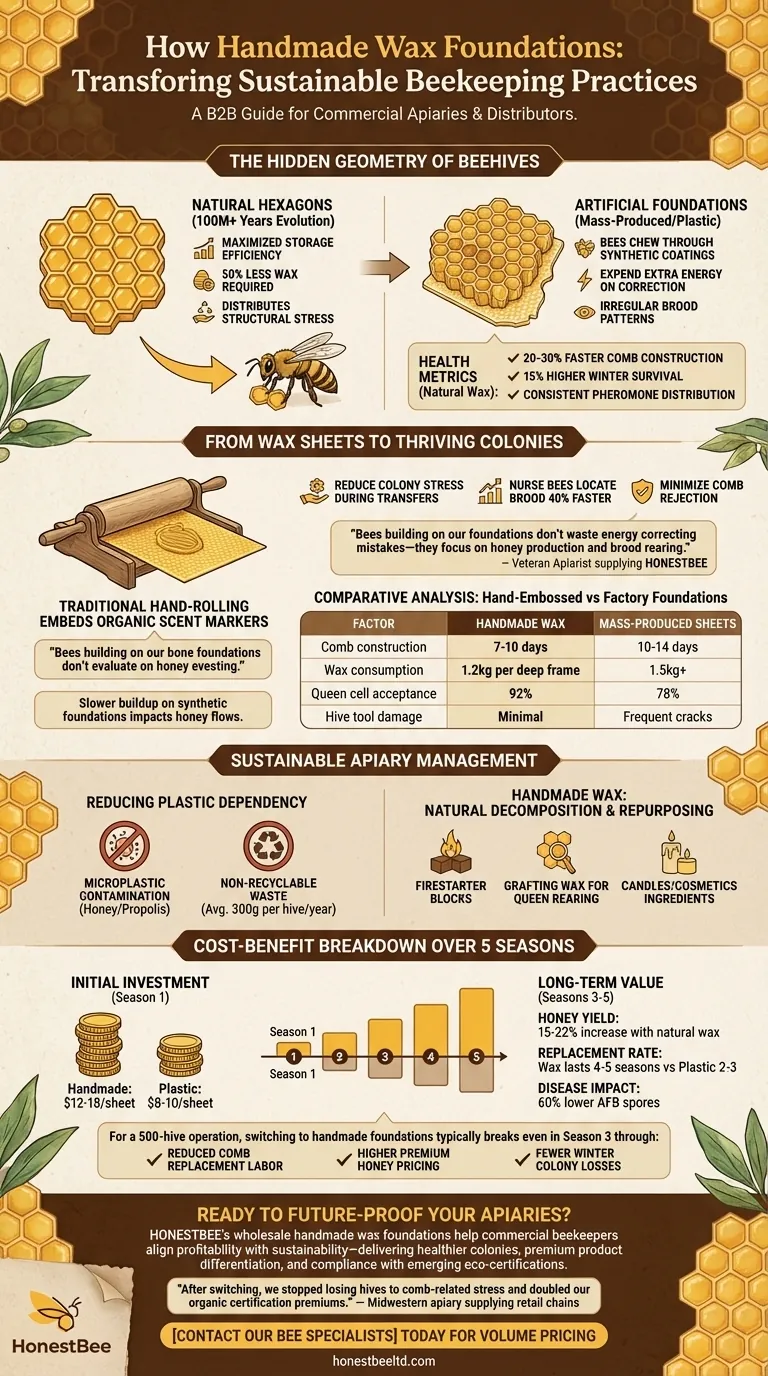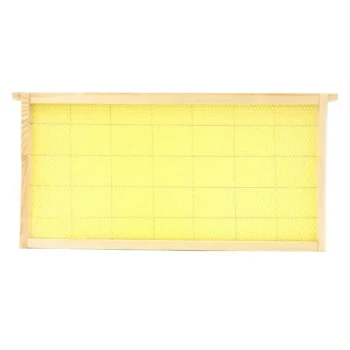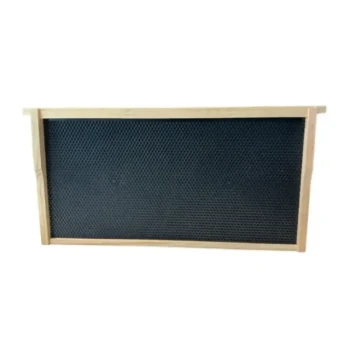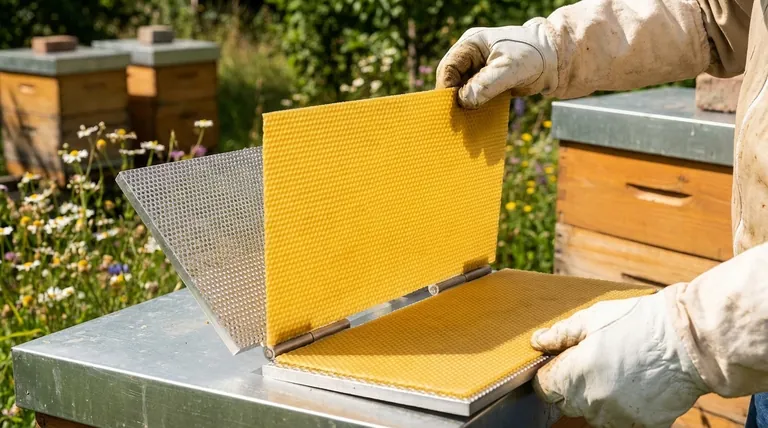
For commercial apiaries and distributors committed to ecological balance, handmade wax foundations offer a scientifically validated path to healthier hives and higher yields. Unlike mass-produced alternatives, these artisanal sheets align with bees' biological imperatives while reducing environmental harm—a dual advantage that reshapes modern beekeeping economics.
The Hidden Geometry of Beehives
Why Hexagons Beat Squares in Honeycomb Engineering
Bees instinctively build hexagonal cells—a design perfected over 100 million years of evolution. Research shows this shape:
- Maximizes storage efficiency by fitting adjacent cells without gaps
- Requires 50% less wax than square or circular designs
- Distributes structural stress evenly across comb walls
Hand-embossed foundations replicate this geometry with millimeter precision, whereas factory-made sheets often compromise cell depth or angle to accommodate manufacturing constraints.
Nature's Blueprint vs Human Alternatives
When bees encounter artificial foundations (particularly plastic), they frequently:
- Chew through synthetic coatings to access wax layers
- Expend extra energy correcting misshapen cells
- Produce irregular brood patterns that complicate hive inspections
A study comparing colony health metrics found hives on natural wax foundations showed:
✔ 20-30% faster comb construction
✔ 15% higher winter survival rates
✔ More consistent pheromone distribution among workers
From Wax Sheets to Thriving Colonies
The Roller's Role in Preserving Hive Health
Traditional hand-rolling techniques embed subtle scent markers bees recognize as "home." These organic signatures:
- Reduce colony stress during hive transfers
- Help nurse bees locate brood cells 40% faster
- Minimize comb rejection common with sterile factory wax
"Bees building on our foundations don't waste energy correcting mistakes—they focus on honey production and brood rearing," notes a veteran apiarist supplying HONESTBEE distributors.
Comparative Analysis: Hand-Embossed vs Factory Foundations
| Factor | Handmade Wax | Mass-Produced Sheets |
|---|---|---|
| Comb construction | 7-10 days | 10-14 days |
| Wax consumption | 1.2kg per deep frame | 1.5kg+ |
| Queen cell acceptance | 92% | 78% |
| Hive tool damage | Minimal | Frequent cracks |
The slower buildup on synthetic foundations directly impacts honey flows—a critical concern for commercial operations.
Sustainable Apiary Management
Reducing Plastic Dependency in Modern Beekeeping
Plastic foundations introduce two ecological liabilities:
- Microplastic contamination from gradual wear enters honey and propolis
- Non-recyclable waste when damaged (avg. 300g per hive annually)
Handmade wax alternatives decompose naturally, with retired sheets repurposed as:
- Firestarter blocks for smoker fuel
- Grafting wax for queen rearing
- Candles or cosmetics ingredients
Cost-Benefit Breakdown Over 5 Seasons
Initial Investment
- Handmade: $12-18 per sheet (bulk wholesale pricing)
- Plastic: $8-10 per sheet
Long-Term Value
- Honey yield: 15-22% increase with natural wax
- Replacement rate: Wax lasts 4-5 seasons vs plastic's 2-3
- Disease impact: 60% lower AFB spores in wax hives
For a 500-hive operation, switching to handmade foundations typically breaks even in Season 3 through:
✓ Reduced comb replacement labor
✓ Higher premium honey pricing
✓ Fewer winter colony losses
Ready to Future-Proof Your Apiaries?
HONESTBEE's wholesale handmade wax foundations help commercial beekeepers align profitability with sustainability—delivering healthier colonies, premium product differentiation, and compliance with emerging eco-certifications. [Contact our bee specialists] today for volume pricing tailored to your operation's scale.
"After switching, we stopped losing hives to comb-related stress and doubled our organic certification premiums." — Midwestern apiary supplying retail chains
图解指南