Honey’s natural enzymes, antioxidants, and antimicrobial properties make it a prized superfood—but improper post-extraction handling can degrade its quality. This guide reveals research-supported techniques to maintain honey’s nutritional integrity from filtration to storage, helping beekeepers deliver superior products to market.
The Chemistry of Honey Preservation
Honey’s longevity stems from its low water content and acidic pH, but its bioactive compounds are sensitive to processing. Understanding these chemical interactions is key to preservation.
Why Particle Size Matters in Filtration
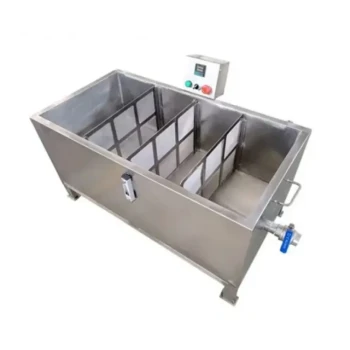
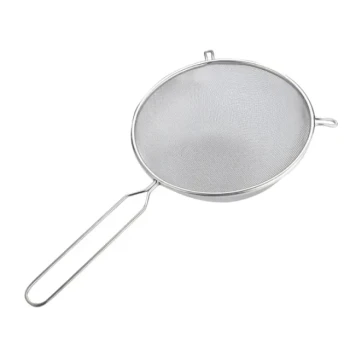
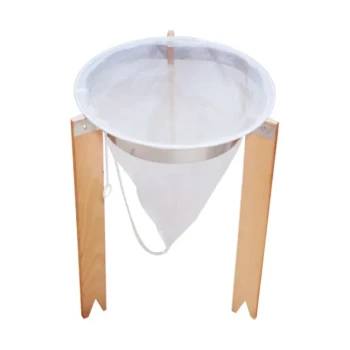
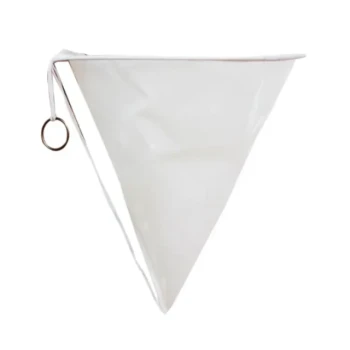
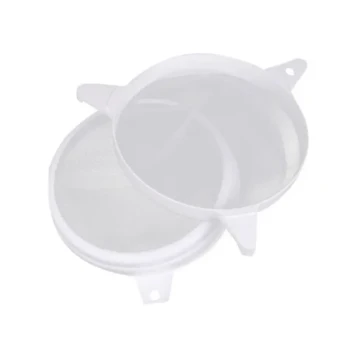
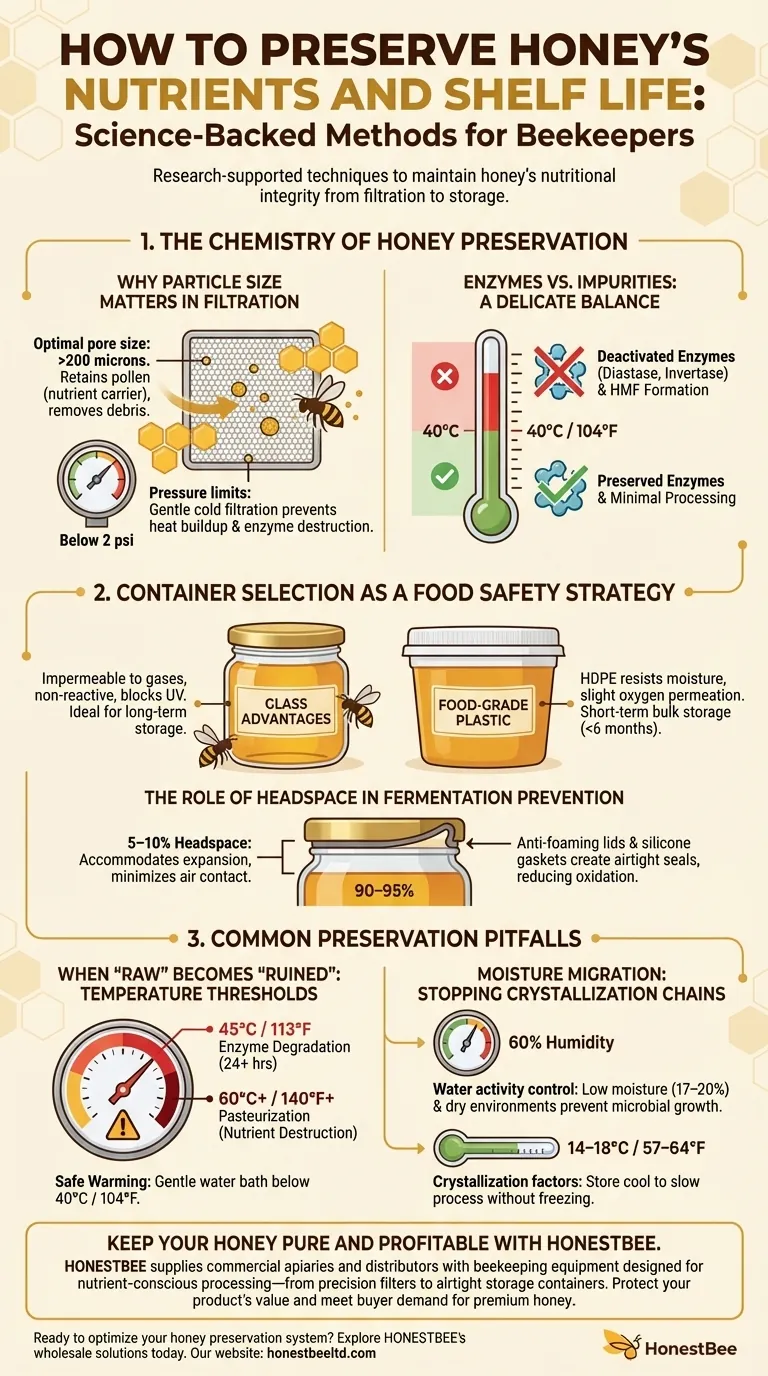
- Optimal pore size: Filters with openings larger than 200 microns remove debris (e.g., wax, bee parts) while retaining pollen—a nutrient carrier. Over-filtration strips beneficial compounds.
- Pressure limits: Cold filtration under gentle pressure (below 2 psi) prevents heat buildup that destroys enzymes like glucose oxidase, which generates hydrogen peroxide (a natural preservative).
Enzymes vs. Impurities: A Delicate Balance
- Diastase and invertase: These enzymes break down starches and sucrose, enhancing digestibility. High temperatures (above 40°C/104°F) deactivate them.
- Impurity trade-offs: Minimal filtration preserves enzymes but may allow HMF (hydroxymethylfurfural) to form if honey is heated. Aim for a balance: remove visible debris without excessive processing.
Container Selection as a Food Safety Strategy
Storage vessels influence honey’s exposure to oxygen, light, and moisture—three degradation accelerators.
Glass vs. Food-Grade Plastic: Oxidation Risks Compared
- Glass advantages: Impermeable to gases, non-reactive, and blocks UV light. Ideal for long-term storage but heavier for transport.
- Plastic considerations: Food-grade HDPE resists moisture but may allow slight oxygen permeation over time. Use for short-term bulk storage (under 6 months).
The Role of Headspace in Fermentation Prevention
- Optimal fill level: Leave 5–10% headspace to accommodate expansion in heat, but minimize air contact to prevent fermentation.
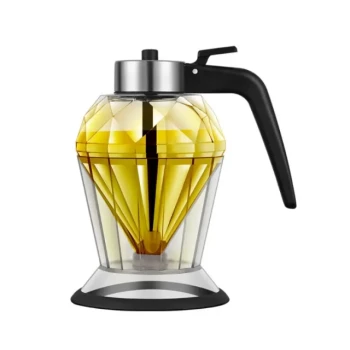
- Anti-foaming lids: Silicone gaskets create airtight seals, reducing oxidation risks during temperature fluctuations.
Common Preservation Pitfalls
Even small missteps can compromise honey’s quality. Here’s how to avoid them.
When "Raw" Becomes "Ruined": Temperature Thresholds
- Critical thresholds: Heating honey above 45°C (113°F) for over 24 hours degrades enzymes. Pasteurization (60°C+/140°F+) destroys most nutrients.
- Safe warming: To decrystallize, gently warm jars in a water bath below 40°C (104°F), stirring occasionally.
Moisture Migration: Stopping Crystallization Chains
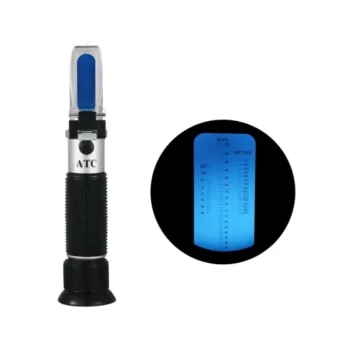
- Water activity control: Honey’s low moisture (17–20%) inhibits microbial growth. Store in dry environments (under 60% humidity) to prevent surface moisture absorption.
- Crystallization factors: Glucose-rich honey (e.g., clover) crystallizes faster. Store at 14–18°C (57–64°F) to slow the process without freezing.
Keep Your Honey Pure and Profitable with HONESTBEE
Preserving honey’s natural benefits starts with the right tools. HONESTBEE supplies commercial apiaries and distributors with beekeeping equipment designed for nutrient-conscious processing—from precision filters to airtight storage containers. Protect your product’s value and meet buyer demand for premium honey.
Ready to optimize your honey preservation system? Explore HONESTBEE’s wholesale solutions today.
图解指南
相关产品
- 用于蜂蜜加工厂的电动双壁蜂蜜过滤机净化器设备
- 用于养蜂的带水浴加热装置的专业不锈钢蜂蜜过滤机
- 0.5吨容量蜂蜜除湿干燥机,带真空加热和加厚过滤机
- 2T 容量蜂蜜浓缩过滤除湿机
- 带支撑手柄的专业不锈钢蜂蜜过滤器