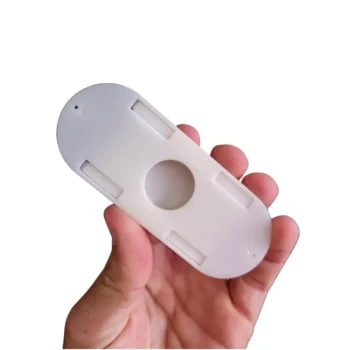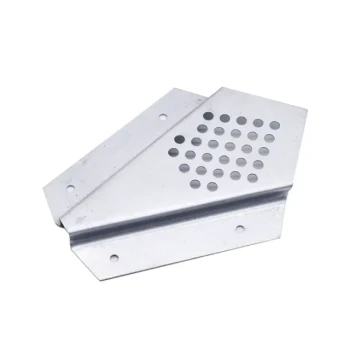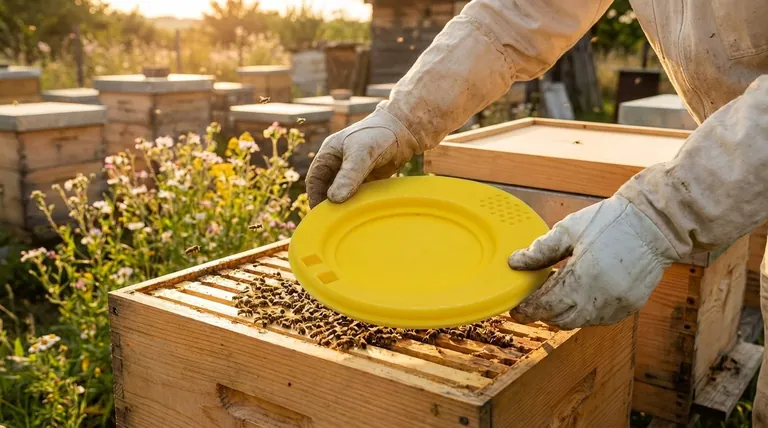
Escape boards are one of beekeeping's most ingenious yet underutilized tools—when used correctly, they can clear honey supers of bees with over 90% efficiency while minimizing colony disruption. This guide combines mechanical insights with field-tested protocols to help commercial beekeepers and apiary managers optimize their harvest workflow.
Escape Boards in Modern Beekeeping
How One-Way Escape Mechanisms Protect Colonies During Harvest
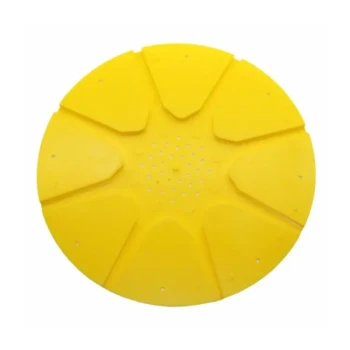
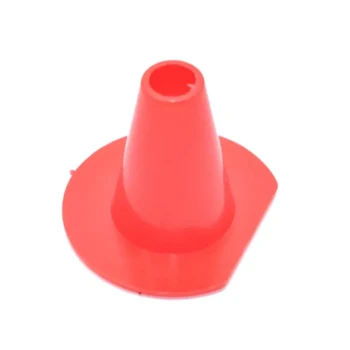
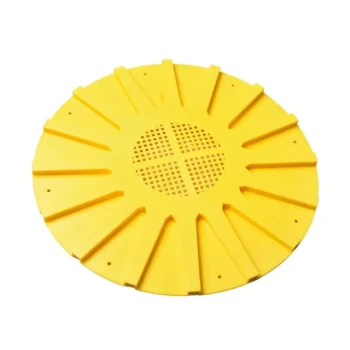
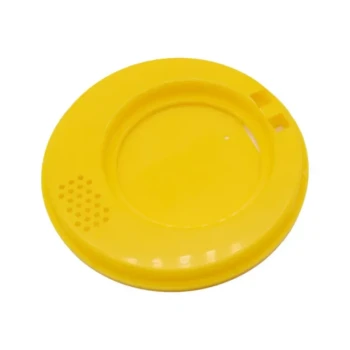
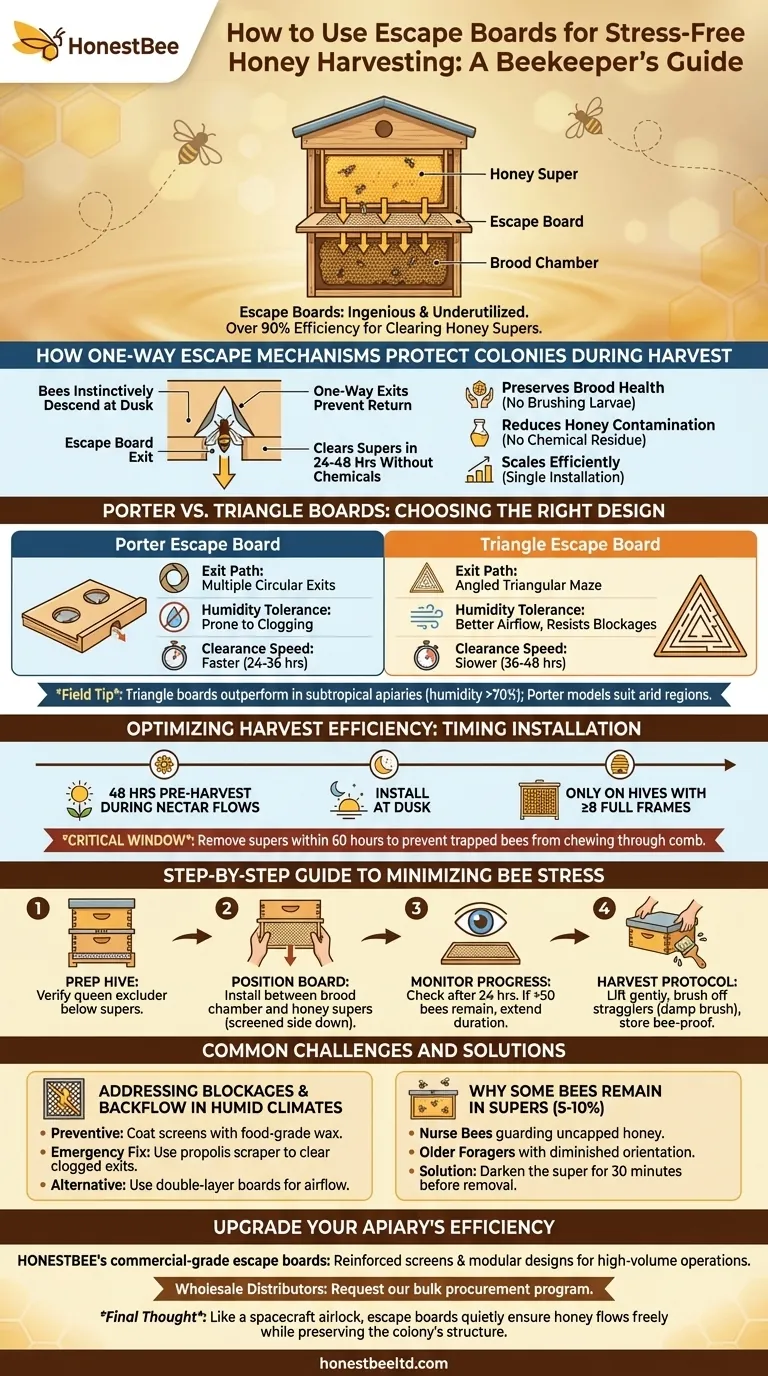
Escape boards leverage bees' natural movement patterns. As dusk approaches, worker bees instinctively descend to cluster with the colony below the board. The one-way exits (typically triangular or circular openings with inward-facing screens) prevent their return—a process that research shows clears most supers within 36 hours without chemical repellents or disruptive smoking.
Key advantages:
- Preserves brood health: Eliminates need for harsh bee brushes that can damage larvae
- Reduces honey contamination: Unlike chemical bee repellents, no residue risks
- Scales efficiently: Single installation handles entire supers
Porter vs. Triangle Boards: Choosing the Right Design
While both designs fit standard Langstroth hives, their mechanics differ:
| Feature | Porter Escape Board | Triangle Escape Board |
|---|---|---|
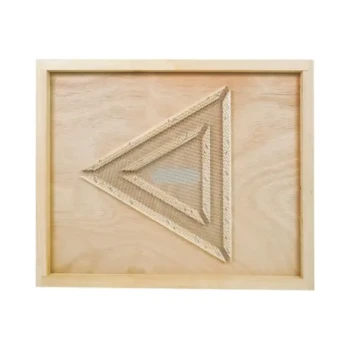
| Exit Path | Multiple circular exits | Angled triangular maze |
| Humidity Tolerance | Prone to clogging in damp climates | Better airflow resists blockages |
| Clearance Speed | Faster (24-36 hrs) | Slower (36-48 hrs) |
Field Tip: Triangle boards outperform in subtropical apiaries where humidity exceeds 70%, while Porter models suit arid regions.
Optimizing Harvest Efficiency
Timing Installation: Seasonal and Hive-Strength Considerations
Install escape boards:
- 48 hours pre-harvest during nectar flows (bees are more active)
- At dusk when bee movement naturally trends downward
- Only on hives with ≥8 full frames—weaker colonies may cluster erratically
Critical Window: Remove supers within 60 hours to prevent trapped bees from chewing through comb.
Step-by-Step Guide to Minimizing Bee Stress
- Prep the hive: Verify queen excluder is properly placed below supers
- Position the board: Install between brood chamber and honey supers with screened side down
- Monitor progress: Check after 24 hours—if >50 bees remain, extend duration by 12-hour increments
-
Harvest protocol:
- Lift supers gently to avoid crushing escape-bound bees
- Brush off stragglers with a damp (not stiff) bee brush
- Store harvested supers in bee-proof containers immediately
Common Challenges and Solutions
Addressing Blockages and Backflow in Humid Climates
When humidity saturates escape board screens:
- Preventive measure: Coat screens with food-grade wax to repel moisture
- Emergency fix: Insert a thin propolis scraper to clear clogged exits
- Alternative: Use double-layer boards with 1" spacing for enhanced airflow
Why Some Bees Remain in Supers: Behavioral Exceptions
Approximately 5-10% of bees may stay due to:
- Nurse bees guarding uncapped honey
- Older foragers with diminished orientation skills
- Solution: Darken the super for 30 minutes before removal—bees will move toward light sources below
Upgrade Your Apiary's Efficiency
HONESTBEE's commercial-grade escape boards are engineered for high-volume operations, featuring reinforced screens and modular designs that adapt to regional conditions. Wholesale distributors can request our bulk procurement program for season-ready inventory.
Final Thought: Like a well-designed airlock in a spacecraft, escape boards perform their vital function quietly—ensuring honey flows freely while keeping the colony's delicate social structure intact.
图解指南
相关产品
- HONESTBEE 木制蜜蜂逃生板,三角网状设计,用于养蜂
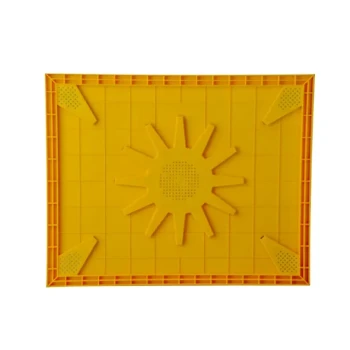
- HONESTBEE 用于高效采蜜的多出口塑料蜜蜂逃生板
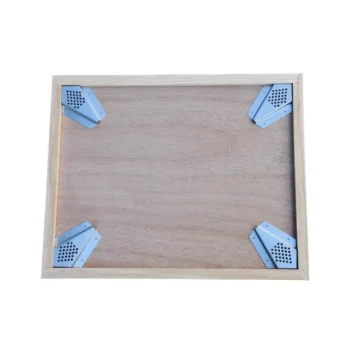
- HONESTBEE 4 向金属转角木制蜜蜂逃生板
- 用于快速清理蜂巢的波特式板条蜜蜂逃生通道
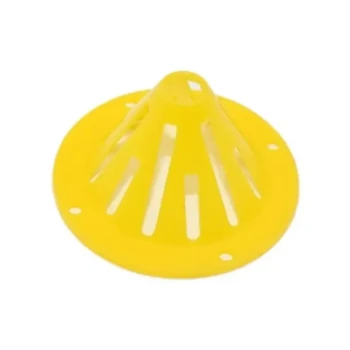
- 高效清理蜂巢:HONESTBEE 8 路塑料逃蜂器